
El Cortijo del Fraile: A Story Straight Out of Lorca
The Real-Life Crime of 1928 That Ended Up on Stages Around the World
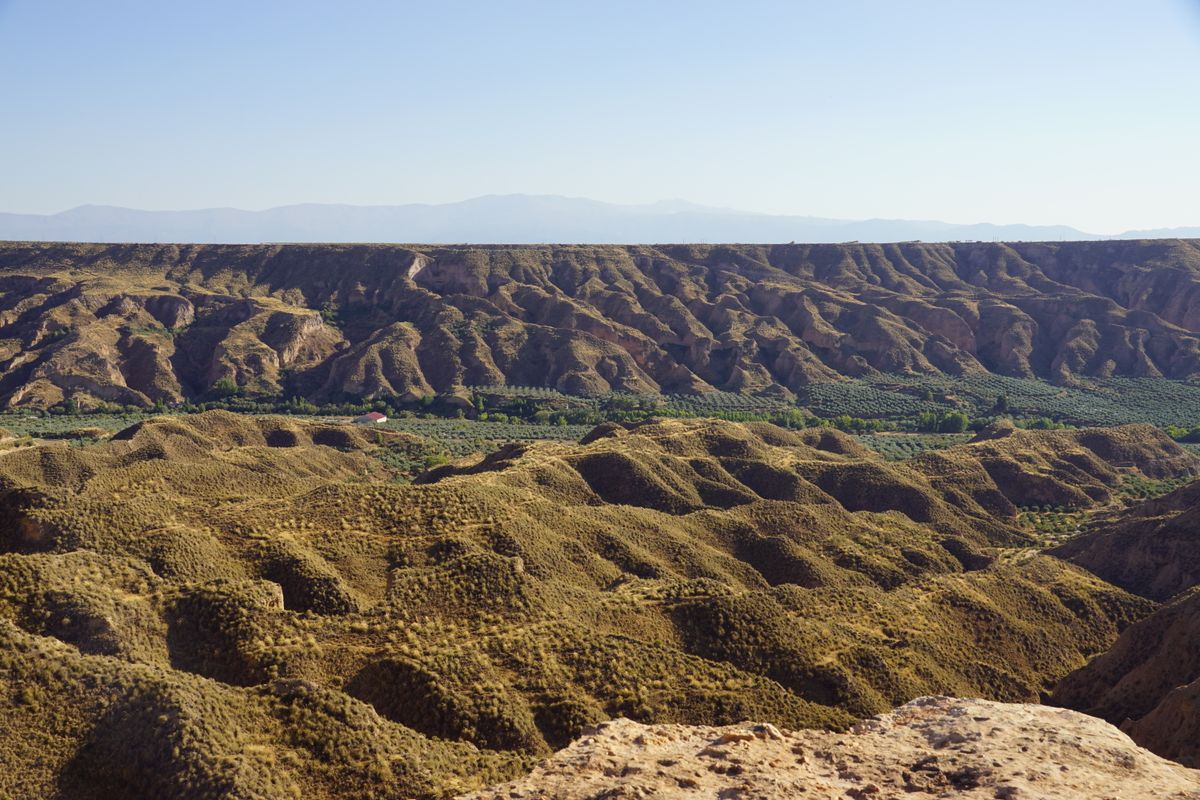
When you take the dirt track that leads to the farmhouse you don’t expect what you’re about to find. What impresses you most is the solitude. Imagining the tragedies that have unfolded in such a remote spot overwhelms as much as the landscape or the building itself.
This is a typical farmhouse of the great Andalusian agricultural estates: a single storey with several rooms arranged around a central courtyard. It has an oratory, a bell tower, a burial crypt, ovens, stables, pigsties, and a cistern. It is privately owned and its current state is one of ruin and total neglect. Although the Andalusian regional government declared it a Site of Cultural Interest with the designation of Historic Site, things look grim: it is on the verge of collapse.
From the Dominican Friars to the Crime That Inspired Lorca
The farmhouse was built by the Dominican friars of Almería in the 18th century — hence its name, the Friar’s Farmhouse. In the 19th century, with the confiscation of church lands, it passed into private hands and its ordeal began.
It is famous for the crime that took place in its vicinity, known as the “Níjar Crime,” which occurred on 22 July 1928 and inspired Blood Wedding, the masterpiece by Federico García Lorca. The novel Puñal de claveles, far less well known, is also based on the same events. Francisca Cañadas, the bride of the drama, lived in this farmhouse.
On the positive side: part of the film The Good, the Bad and the Ugly was shot here, along with a few other productions.
What the Newspapers Reported in 1928
The contemporary account, as reported by the press, goes as follows:
Almería, 24th, 1 p.m. In the vicinity of a farmhouse in Níjar a crime has been committed in mysterious circumstances. The wedding of the farm tenant’s daughter, a young woman of twenty, had been arranged for the morning of yesterday. The groom and numerous guests were waiting in the house for the hour of the ceremony. As the time drew near and the bride neither arrived nor appeared at the house, the guests left in disappointment.
One of these guests found, eight kilometres from the farmhouse, the bloodied corpse of a cousin of the bride-to-be, surnamed Montes Cañadas, aged thirty-four. The cries for help drew numerous people returning from the farm settlement and the Guardia Civil, who managed to find the bride, who was in a spot close to where the body lay and with her clothes torn.
The bride was detained and stated that she had fled with her cousin to elude the groom. They set out on a horse, and upon reaching the scene of the crime an unknown masked man appeared, fired four shots, and caused the death of Montes Cañadas. The groom has also been detained; he denies any involvement in the crime, which for now appears shrouded in the deepest mystery.
Let us protect our heritage. Let us look after our history.
If you’re interested in the province, don’t miss our guide to Almería with all the must-sees, from the Alcazaba to Cabo de Gata.
Frequently Asked Questions
Can you visit El Cortijo del Fraile?
Since it is in private hands and in a state of ruin, access is not regulated as a tourist visit. It can be viewed from the outside. It’s wise to check before going because the access road is unpaved and not always in good condition.
What is its connection to Lorca’s Blood Wedding?
Lorca drew on the Níjar Crime, which took place at this farmhouse on 22 July 1928, to write his play Blood Wedding. Francisca Cañadas, the real-life protagonist, lived here.
Why is it called El Cortijo del Fraile?
Because it was built in the 18th century by the Dominican friars of Almería. After the 19th-century confiscation of church lands it passed into private hands.
Find places to stay in Almería
Compare hotels, apartments, and stays with free cancellation on many bookings.