
La Biznaga of Málaga: History, Craftsmanship, and the Meaning of Málaga's Flower
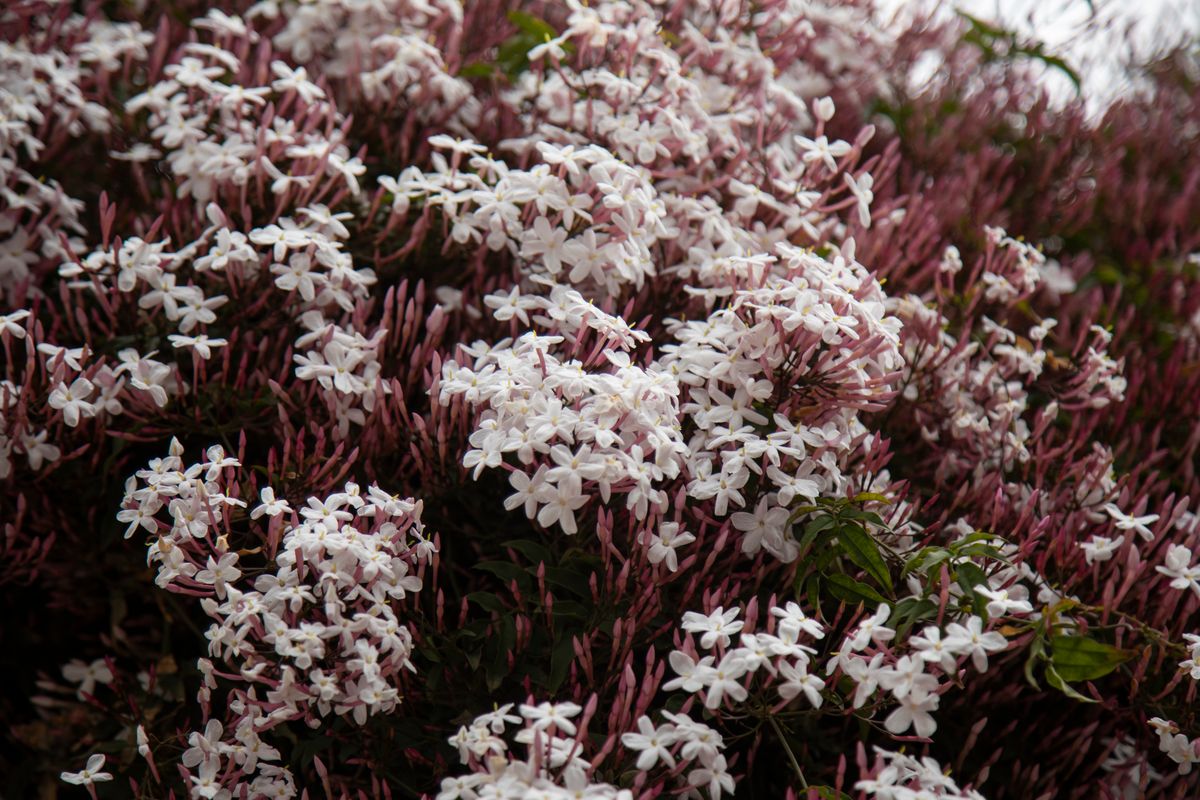
Málaga is a city that smells of the sea and flowers. When summer arrives, and especially during August’s Feria, the streets of the old town fill with a sweet, heady, unmistakable scent. It’s the scent of jasmine. Not just any jasmine — the jasmine that shapes the biznaga malagueña, one of the undisputed symbols of the Costa del Sol’s capital.
Contrary to what many might think at first glance, the biznaga is not a flower that grows naturally in fields or gardens. You can’t plant it or pluck it from a bush. The biznaga is a flower made of flowers, a piece of living craftsmanship, patiently created by the skilled hands of the biznaguero, an emblematic figure of Málaga’s summer nights.
In this article we’ll explore the origins of this beautiful tradition, the meticulous handcrafting process behind it, and what the biznaga represents for the spirit of Málaga.
Origins of the Biznaga: A Legacy of al-Ándalus
The word biznaga comes from the Arabic bisnaja, meaning “gift from God.” This etymology gives a clear hint about the origins of this floral tradition. During the al-Ándalus era, a passion for gardens, flowers, and perfumes ran through everyday life in the cities, and Málaga was no exception.
It’s said that the custom of grouping aromatic flowers into small, compact, decorative bouquets was born in the Andalusian courtyards, a way to make use of summer blooms and perfume the house during warm summer nights. Over time, this practice was refined into the half-sphere shape we know today.
Although its roots are ancient, the biznaga as we now conceive it gained widespread popularity in the 20th century, becoming the city’s floral and folk icon — on a par with the anchovy or the promenade lighthouse.
The Art of Making a Biznaga: A Handcrafted Process
Creating a biznaga demands patience, skill, and, above all, an understanding of nature’s rhythms. It can’t be industrialised or mass-produced. The process hinges on three fundamental elements:
-
The Frame (Nerdo): The base or skeleton of the biznaga is made from nerdo or ammi visnaga, a wild plant similar to fennel that grows in the months leading up to summer. Once harvested, it is left to dry until rigid. Its umbels (the umbrella-shaped branchlets) are trimmed and shaped into that characteristic half-sphere or ball. This dried frame is the biznaguero’s blank canvas.
-
The Jasmine: The main raw material is Royal jasmine, a variety typical of the area that blooms abundantly on summer nights. The biznaguero must pick the jasmine early in the morning, while the flower is still closed (a long, white bud). This is crucial — if the flower is already open, it can’t be inserted into the frame and will wilt faster.
-
The Crafting: Sitting in the shade on sweltering summer afternoons, the biznaguero takes the nerdo frame and, one by one, pushes each jasmine bud onto the tips of the tiny dry branches. It’s meticulous, delicate work. One bud per spine of the frame.
The Magic of Dusk
What makes the biznaga truly magical happens as evening falls. When the sun sets and temperatures drop slightly, the jasmine buds patiently pushed into the frame begin to open.
All at once, what looked like a sphere of closed white spikes bursts into bloom, becoming a perfect, downy ball of white petals that gives off an extraordinary, intense perfume. That is when the biznaga is ready to be sold.
The Biznaguero: An Illustrious Figure of the City
The biznaga wouldn’t exist without its maker and bearer: the biznaguero. This street vendor, traditionally dressed in black with a red sash (and sometimes in the typical marengo outfit of dark trousers and white shirt), roams the streets of Málaga’s old town, the terraces of Pedregalejo, and the seafront promenades selling his work.
The biznaguero carries the biznagas stuck into a penca (the leaf of a prickly pear cactus, with its spines removed). This moist vegetal base serves not only as a natural, eco-friendly display stand but also keeps the flowers fresh through the night.
His figure is so iconic and beloved in Málaga that he has his own statue right in the city centre. The Estatua del Biznaguero, sculpted in bronze by the artist Jaime Fernández Pimentel, stands in the Jardines de Pedro Luis Alonso (very close to the Town Hall and the Alcazaba), forever honouring these night-time artisans.
The Biznaga in Culture and the Málaga Fair
Today, the biznaga has transcended the purely botanical to become a cultural, tourist, and cinematic emblem.
- Málaga Fair: During the August Fair (both in the old town and at the fairground), biznagas are the undisputed stars. Men and women buy them to hold in their hands, pin in their hair, wear in a buttonhole, or give as a gesture of courtesy and affection.
- Film Festival: The most prestigious award handed out by the Málaga Spanish Film Festival couldn’t be anything other than a Biznaga de Oro (or de Plata), a trophy sculpted in metal that replicates the shape of the natural flower and has been held aloft by the top directors and actors in Spanish cinema.
- Art and Design: The starred, symmetrical shape of the biznaga now inspires jewellers, fashion designers, painters, and sculptors. It’s very common to find pendants, earrings, or prints that pay tribute to its design.
Keeping and Enjoying Your Biznaga
If you visit Málaga in summer, crossing paths with a biznaguero is almost guaranteed. When buying a biznaga:
- Value the work: Remember you’re buying ephemeral craftsmanship. The price reflects the effort of harvesting and the manual skill involved.
- How long does it last? The biznaga is beautiful but short-lived. Its splendour barely lasts one or two nights. The next day, the petals will turn yellowish or rust-coloured and the perfume will fade, but even dried, it retains undeniable aesthetic appeal.
- Where to keep it? If you’re not carrying it with you, place it at home on a small vase or dry glass (no water). Its intense aroma can perfume an entire room naturally.
The biznaga is, in short, the essence of a Málaga summer encapsulated in a white sphere. A gift from God and from local artisans that turns nights on the Costa del Sol into an unforgettable sensory experience.
Find places to stay in Málaga
Compare hotels, apartments, and stays with free cancellation on many bookings.